Category Archives: first triathlon

Interview with Set Up Events Owner Jeremy Davis

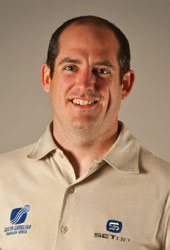
Jeremey Davis
Jeremey Davis

 I caught up with Jeremy Davis, owner of Set Up Events, to get the perspective of a race promoter on the first time triathlete experience. Set Up Events is the largest triathlon promoter in the United States, with a series of triathlons in Virginia, North Carolina, South Carolina, Georgia, and Maryland. Jeremy is a triathlete himself, and has been promoting quality events for the past 17 years. 


How did you get started with Triathlon?

I was watching the 1996 Atlanta Olympics and saw the triathlon as a provisional sport that year. In the 2000 triathlon was going to be a medaled Olympic sport. I had a running background from soccer, and just cycled across South Carolina. So I figured I could learn to swim and maybe go to the Olympics. Then I got in the pool and realized this may not happen as I can’t swim a length without being out of breath.

In 1997 I started a triathlon club at Clemson University with 30-40 members. I decided to promote my own triathlon on campus for the club. We rented out the pool and had a make shift race for eight of us. I enjoyed promoting the event and wanted to do a larger event at Clemson, so I hooked up with Bill Scott. He was doing events in the Wilmington area. We started working together, and triathlon took off. He needed more help, and I had help to give, so my event promotion career was born. 

What was your 1st Triathlon?

It was the Columbus Day Sprint Tri in Myrtle Beach. I was 68th out of the water, had the 2nd fastest run split, and finished somewhere in the middle of the pack. At the end of the race, i thought, this is the hardest thing I have ever done. I need to do it again. 

What percentage of your participants are first time triathletes?

We don’t track this particularly, but if I had to guess somewhere around 10% for a sprint race. If it is a pool swim, that number could be higher. I always ask the people in our novice waves, if this is their first race, and 95% of them raise their hands. Olympic distance events are somewhere around 2-5% of first time racers. 

Which events in the Setup Brand are good for first timers?

Any of our events with a pool swim are great for first timers. In our South Carolina series, the Tri the Midlands race is great open water swim for new triathletes. A shorter open water swim is great for beginners as they get the feel of a mass start tri, but may not be intimidated by the distance. 

[edit]

Beginner friendly Setup Events Triathlons:

What skills of info should first time triathletes focus on?

I would recommend some kind of clinic of coach before they start training for their first race. Find a training plan so you are optimizing your time, and not just swimming, biking and running with no focus. Also, try not to have anxiety about being super fast on your first race. Do your training, and on race day, have fun. Go and do want you have trained your body to do. 

Would you recommend a new triathlete volunteer at a race before their first race?

Of course. As a race promoter we always need volunteers. Volunteering at a race gives a new perspective of all the things that go into successful event. During a race you are self focused, constantly doing a body check, and can’t pay attention to mush else. When you volunteer you can see the other moving parts of the race, and recognize the efforts of all of those involved in the race. 

Also, first timers might think everyone that does triathlons has six pack abs, and college swimmer shoulders. When in reality triathletes come in all different sizes, and shapes. There may be a 275 LB. man that flies through an eleven minute swim, and struggles through the bike and run. Seeing the range of the abilities at a race can lower the intimidation level for new racers. 

What does the future hold for Set Up Events?

Our goal at Set Up Events is to produce quality events that people can afford to race. We want to capture more of the first time market, and people that want to race against their buddies. We pride ourselves on a family feel, and love to see the same people come and race every event. 


No More Controlled Drowning – Intro to Swimming Part II

In Part I, we discussed Body Position and Breathing. Those two skills are very important, but don’t get you anywhere. You need oars to get the boat moving. Your stroke is your oars, and that is what we will cover in this post.

This post in not meant to be the definitive post on stroke technique. The goal here is to master the fundamentals and set a good base for refinement as your swimming progresses. A perfect freestyle stroke, if there is really such a thing, takes years to develop. With a good fundamental stroke you will be able to cover longer distances with better efficiency.

The freestyle stroke can be broken down into four parts:

  • Entry
  • Catch
  • Pull
  • Recovery

Continue reading No More Controlled Drowning – Intro to Swimming Part II

No More Controlled Drowning – Intro to Swimming Part I

Do you get winded swimming one length of the pool? Do you legs feel like they are always sinking? Or do you just flail your arms and legs and hope you get somewhere?  I call this controlled drowning, and that is how I swam my first race. It was a long and difficult swim, and made me quickly realize, I better work on my form.

Learning to swim correctly is the number one reason I hear from people why they can’t race a triathlon. To be honest, unless you learned to swim as a child, learning to swim as an adult is challenging. The best way to learn as an adult is to break down swimming into fundamental skills that can be combined into an effective stroke.

The first two fundamentals of swimming are Body Position and Breathing. These are the first two skills to develop efficient swimming.

Body Position

The most effective way to move through the water in freestyle swimming is to keep your body streamlined. Your body should be extended, just below the surface of the water. Try to keep your legs up and together. Think of your body as a see-saw, with your hips as the pivot point. Your legs are usually more dense than your torso and will want to sink. Your job is the press down and forward with your chest to keep your legs up.

Here’s a great demonstration of balance from Total Immersion. Notice in the beginning of the video the difference in body positions. Next the clip show some drills for practicing good body position. The superman glide drill shown is very effective to imprint good balance. I do this drill before every swim session.

In this video from Speedo UK, you can see some nice graphics that explain proper body position.

Good Body Position = Neutral head position + Streamlined body + Legs up

Drills – Superman Glide, One arm Glide


Swim Breathing – Intro

Breathing in freestyle swimming can be challenging to learn. Once you to get the hang of it, like riding a bike, you will not forget how. The issue most new swimmers have with breathing is holding their breath. If you are holding your breath, or breathing shallow, you can’t swim long distances. Try and take a breath every ten seconds while running, and your heart rate will spike quickly. It’s the same when you are swimming. When you start to breath correctly ability to swim more distance will increase dramatically.

Proper breathing in the freestyle stroke involves two things. First, when your face is in the water breath out completely. You can breath out from your either nose or your mouth, your preference. Be sure to breath out the entire time your face is in the water. This keeps water from entering your breathing, makes sure you are breathing deep enough.

Second, rotate your body and take a breath. While the arm of the side you are breathing on is out of the water, rotate your body and take a breath. You want a quick bite of air, and go back to breathing out. Ideally you should only have one goggle out of the water when you breath. If you are looking up when you breath, you are over rotating. A good cue to remember is to act like you are laying on your side with your arm stretched out like a pillow.

Below is a video from Bob Bowmen, Micheal Phelp’s coach on swimming breathing. He gives some great insights into proper freestyle breathing.

In this video from USMS, they do a great job explaining common mistakes in freestyle breathing:


Good Freestyle Breathing = Breath out face in the water + Rotate your body to breath.

In Part II, we will go over the stroke and catch. Now get to the pool and practice that good position.


Energy Gel Sommelier and Other Side Benefits of Triathlon Part II

In the first post on the added benefits of triathlon, I talked about looking sexy in lycra, and sweet tan lines. There are so many additional benefits I didn’t list, that I decided to make a Part II. There may be some people on the fence about triathlon, and the a collection of distance stickers wasn’t enough to get them to dive in. So here are some more “tidbits of awesome” about triathlon.

medium_5790013440

1. Get up super early – You feel guilty when you don’t get up before the sun. Everyone knows that pool swims only count when they are finished before 6:30am. You have a four hour ride planned for Saturday, and your significant other is complaining about you training too much.. What do you do? Leave at 5 am and hope to make it back before they get up.

burrito

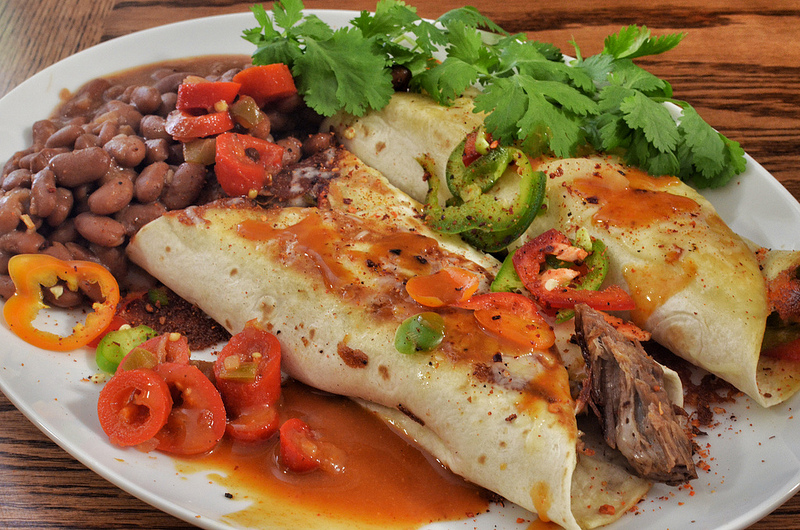
2. The world is your buffet – At the Mexican restaurant you order the Mucho Loco Burrito with an extra side of guacamole. The others at the table look in horror as you demolish the entree meant for three people. You look up and say, “It’s cool, I’m in the peak of my training cycle”, and then wipe the cheese from your chin.

gels
Gel Buffet


3. Energy Gel Sommelier – The average palette can’t discern the slight nuisances of the Powergel orange from the Gu mandarin, but you can. Your heightened awareness of these differences comes from years of consumption of these slimy delicacies. You would rather bonk than slam down that wrong brand being offered on the course.


4. Ability to time illness one week out from your “A” race – You never get sick. You are healthy as a horse. People in the office are going home weak with the flu, but you superior immune system is kryptonite to viruses. That is until the taper period of your most important race of the season. A week out from the race you are in bed sore and aching, wondering how you are supposed to race in 5 days.

zensah-compression-calf-sleeve-32

5. Calf Sleeves – I may offend some here, but calf sleeves are nerdy. They are essentially tall socks with no feet. From the amount of people wearing them, you would think there was an epidemic of calf muscles exploding before their invention. Triathlon is no fashion show. If you really need the super calf support, buy the brightest neon ones you can find, and rock that kit.

Bike Fall over

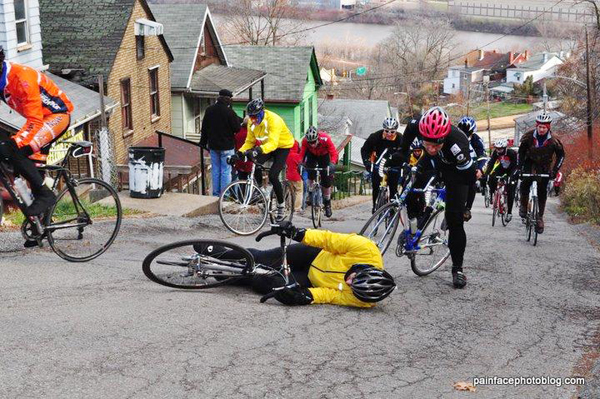
6. Get clipped – There are two types of cyclists; those who have fallen over in the parking lot while still clipped in to the pedals, and those who will. It happens to everyone. You get those brand new clipless pedals and shoes, pull in to the parking lot at the end of the ride, slow down, and proceed to fall over like a tipped cow. Don’t be embarrassed. Laugh it off, as everyone else on that ride has done the same thing at least once. Welcome to the club!


photo_orbea-ordu-gdr_1522

7. A bike more expensive than your car – After years of hard training, you will decide that training is too time consuming and difficult. Forget training on the bike, go and buy some speed. You walk into the bike shop, and there it is. A beautiful carbon fibre rocket ship of a bike. Once you astride this piece is speed sculpture, PR’s will fall, and the road will submit to your will. On the way home from the shop you look at your ’03 Subaru, and realize the blue book value of your car, is less than that new bike purchase.

The car will seek revenge. On the way home from a race, you pull into the driveway headed for the garage, and forget your bike is on the roof rack. The car will let you drive into the garage, while your bike is smashed against the top of the garage.


photo credit: ezra1311 via photopin cc

photo credit :http://www.swimt3.co.nz/media/catalog/product/cache/5/image/600x/5e06319eda06f020e43594a9c230972d/l/a/ladies/zensah-compression-calf-sleeve-32.jpg

photo credit: jeffreyw via photopin cc

Photo Credit: http://salsacycles.com/files/blog/DD10-3.jpg

First time Tri tips in stereo. FTT on the Prepared idiot Podcast.

Rich Barna from The Prepared Idiot Podcast had me on his podcast to discuss racing your first triathlon. Rich is a self proclaimed “Clydesdale Triathlete” himself, and got into triathlon to adopt a healthier lifestyle. In this episode we talk about getting started in triathlon, each leg of the race, and some motivation to get you going. There is some great info and tips to get you started to your goal of completing your first triathlon.

Play the show on itunes

Show Notes:

For swimming videos on proper form check out: http://totalimmersion.net/

USAT Rule Book  – Rules on setting up your transition, and racing


“Oh Man This Hurts”, Keys to Racing Mental Toughness


Tough as nails
TOUGH AS NAILS

Mental toughness is the ability to withstand discomfort with a focus on your goal.  All of the situations and struggles in life develop your mental strength. You are defined by how you react to different situations. In racing, the battles lies between your body and thoughts. When a race gets tough, the mind will always give in before the body. The challenge is to control your thoughts, and get your mind and body to work together to achieve your goals.

Preparation

The key to mental toughness is preparation. Training for your race will increase mental toughness. When you show up the the start line, you should be confident in your abilities. You confidence comes from adequate training, and preparation. That confidence kicks in when the race gets hard and you want to stop. If in training you have already had these feelings, you know you can push through.


  • Know your body – Be sure to notice the difference between this is uncomfortable, and this is injuring me.
  • Have a race day plan and execute – eliminate unnecessary decisions.
  • Simulate race intensity in training – not everyday
  • Have confidence. Accept that the race will be difficult, you are trained, and prepare to suffer a bit for your goal.


Be Present

When a race or workout gets hard, the brain wants you to stop. Your mind will play every trick it has to get you to stop or slow down. That little voice in your head will say “go ahead, just walk for awhile” or “Today is just not your day, slow down a bit”. Everyone has these thoughts, even elite athletes. When you can push through and not give into these thoughts, that is when breakthroughs happen.

To combat this voice, you need to be present and focus on the now. The mind may trick you into thinking you can’t run another mile, but it’s hard to convince you can’t run two more lamp posts. Focus on what you can do right at this moment to push you toward your goal. Accept the situation, adapt, and overcome. 

  • Focus on breathing and relaxing into the effort
  • Break the race up into small pieces – Run to the next lamp pole, Swim another 20 strokes.
  • Have a mantra – My mantra is “Relentless Forward Progress”
  • Be optimistic that things can get better. Example: You stomach may become upset during a long race. Know that it may hurt now, but with some additional nutrition and time, it can come back around.

Find Your Happy Place 

To pull yourself out a funk during your race, go to your happy place. I know this sounds a bit new age, but it works. When all of your focus is on the hurting, you need to shift your focus. Turning those negative thoughts, into a positive feeling is powerful. Those positive thoughts can get you into a rhythm and carry you through the difficult times in a race.

Try this: Force yourself to smile for the next two minutes. After the feeling silly for the first 30 secs, your mood will actually start to improve. You actions can impact your mood and attitude.

Here are some ways to find your happy place during a race:

  • Smile – It is also easier to breath while smiling
  • Encourage others – Your positive attitude will spread to others, and you will feel more positive in the process. Win-Win
  • Remove the word I can’t – Turn your mindset to thinking of what you can do , and not what you can’t
  • Think of the reasons why you are racing the event. Maybe you are racing in memory of a loved one, or to set an example for your kids. These powerful thoughts can push you through.
  • Absorb the energy of the race. Feel the energy from the crowd and other athletes. They are cheering for you because you are being awesome. They respect the training and effort your are putting forth. Soak it up.

I hope these suggestions help next time you are in the pain cave during a race. If you have any strategies that work for you, please share in the comments.

 
photo credit: bitzcelt via photopin cc

Race Morning Anxiety – Tip to reduce the stress

Alarm Clock

I wake up on the morning of my big race of the year, and look over at the clock. It reads 7:42 am, and my race start was at 7:30. Panic and terror flood through my body. I just trained for 20 weeks for a race, and I just missed the start.

This was the nightmare I had two times before my first Ironman. Race mornings can be very stressful, if you are not prepared. I’ve seen athletes leave bikes, shoes, goggles, and everything you can think of at home. This makes for a very stressful day, and sometimes can cause an athlete to DNS.

Now that I have stressed you out, it doesn’t have to be this way. If you are well prepared and organized on race morning, your stress can be reduced, and you can have a great day.

The Night Before  

Pre-race Prep – Plan to pack your gear the night before your race. The night before you have more time, and you are not frazzled. Have a checklist of all of your gear. List all of your gear for each leg of the race, your nutrition, and any other items you need. If there are gear bags, organize and pack them as well. If you have already picked up your race packet, attach your race numbers. Tip – Have a gear checklist, and double check it. 

Set Two Alarms – You will most likely wake up before you first alarm, because of excitement, but it is a good idea to have a back up. You have the peace of mind, that you won’t sleep in.

Get To Bed Early – I know this sounds like common sense, but make an effort to get some rest. Relax, read, watch TV, and get off of your feet. You may be excited and have trouble getting to sleep, but the time spend resting is still beneficial.

Race Morning (Early)

Wake Up – Plan to get up early, and give yourself plenty of time to get ready. Also, if you have friends/family coming with you, be sure they are up early as well. Tip – Bribe your family with a nice breakfast. 

Bathroom Plan – Everyone’s  body is on a different schedule. Be sure to have time to take care of your business. Using the toilet in your own house, sure beats a dirty port a potty, so plan accordingly. For me pooping is the fourth sport of triathlon.

Packing – Pack all of your gear into your car, boat, train, tractor. While packing use your checklist to double check you have everything. When you pull out of the driveway, you should be 100% certain you have everything.

Race Morning (Race Start)

GET THERE EARLY – Plan to get to the race at least an hour early. Do your best to account for drive time, traffic, and parking. Arriving late to a race is very stressful, and can make for a bad race. Tip- Check out a map of the start, and find the best areas to park. 

Check In – If you didn’t pick up your packet the day before, find the registration area to pick up you packet. Have your ID ready, and other info ready to go. Tip – Take a photo of your ID with your phone. If you forget your ID, you have a back up. 

Body Marking – There will be volunteers around with Sharpies to mark your race number on your body. Find them and let them draw on you, its a funny experience at first. Tip – If it is a cool morning mark yourself, before leave the house. This way you can leave your warm ups on until the race start. 

Transition – Since you got to the race early, you should get a nice spot on your transition rack. The racks will be marked by numbers, so you know where to set up your area. Be courteous to others, and leave plenty of space. While you are in the transition area, notice the entrance and exits to use during the race. Tip – Practice transitions before the race, so you know how to set up your area. 

Warm up – Give yourself 10-15 minutes to get in a warm up. A good warm will loosen your muscles, and get your heart rate up.  Jog, do yoga, jumping jacks, anything to get the blood flowing. If it is an open water swim, get in the water for a quick dip. Swim around and get a feel for the water.

The Start – Walk down to the start with enough time, so you don’t feel rushed. Have time to breath, relax, and focus on your race. You have put in the training, now its time to show your stuff. Tip – Remember to reset your GPS/watch while you are waiting to start. 

Racing Through Resistance – Finding a way to flow through


Moving your body through a triathlon is a practice of pushing through resistance. Friction, wind, and will are forcing you to expend energy. You have two choices, fight against the resistance or find a way to flow through. Finding your flow through the resistance is mostly a matter of mindset. How you react and adapt to the resistance determines your success.


Swim Resistance

The average human swimmer is 12% efficient when swimming. Your average dolphin is 80% efficient. The dolphin has evolved to flow through the water. To move effectively through water, you must concentrate on good form that minimizes drag. If you fight against the water the water will win.

Tips for flowing through water:

  • relax
  • Keep the body in a streamlined position
  • focus on gliding through the water
  • reduce any inefficient movement

Bike Resistance –

On the bike the wind is the major force of resistance. Pushing through the wind gets exponentially more difficult the faster you go. Flowing through the wind means reducing drag, and flowing through the air flow.

Tips for flowing through the wind:

  • use a set of aero wheels, energy savings of 5-8%
  • wear an aero helmet, energy savings 5%
  • a properly set up TT bike with aero bars can save 10-15% energy
  • Keep your knees tight to the top tube
  • in a stiff headwind maintain effort, don’t increase effort and burn yourself out

Wind can also play into mental resistance. A persistent headwind will wear you down. At times you are putting out a ton of effort, but making slow progress. In these times, you have to accept the headwind and flow through. If it is a race the wind is effecting everyone. Make yourself as small as possible, conserve your effort.

Run Resistance –

Running is essentially falling forward. You lean forward move your legs and you propel forward. Gravity is providing the greatest amount resistance, but also it is also moving you forward. Your job is find the flow, where you are using gravity to your avantage.

Tips for flowing though gravity on the run:

  • lean forward from the ankles
  • maintain good body position
  • take quick steps, to minimize contact with the ground
  • minimize up and down movement, concentrate on moving forward
  • breathe, relax, and don’t fight against your body


Life  –

Good things happen, Bad things happen. There is constant resistance trying to keep you from achieving your goals. The trick is to find a way to flow through the resistance. You can either fight against the resistance, or accept it and find a way to flow through. Be flexible, and adapt to the changes and situations. Things good and bad will happen, it how you react is what matters. If you are focused on your goals, you will find a way to flow through.

The Runners – Long Run Meditation

I came across this video on Youtube that interviewed random runners during their workout. Most of the people were pretty open in their discussions. During my runs alone, I tend to get into my own thoughts. Sometimes this leads to deep thoughts about the meaning of life, or I think through my current issues with new perspectives. I tell my family that this is my church, and where I feel most spiritual.

What do you think about on your long runs?


Enter the Washing Machine – Tips for your first open water swim

origin_3936735160


An open water swim is the most daunting part of the race for most new triathletes. We are land animals, and jumping into the water with a washing machine of arms and legs is not natural. With some practice and some strategy you can do it.

Here’s a recap of my first open water swim:

This was my first long open water swim. My plan was to survive, any means necessary. I would use my Swiss army knife of stroke techniques to complete the course. I was surprisingly relaxed at the start, ignorance is bliss. Some concern did creep into the group, as the race officials were still pulling the buoys into position as we were start. The countdown began, I positioned my goggles, and we were off. A sea of swim caps, arms and legs overtook me. My goal was to stay smooth, and conserve energy. First buoy can relatively quickly, and I sighted toward the second. As I turned the wind and current hit me in the face. The next 20 minutes were a blur of swimming and controlled drowning. The last 20M to the buoy took about 2 minutes. (I later learned the marker was actually floating away, nice.) I will not recount the last leg of the swim, because it was very painful, and I have put it deep in my memory, along with bad first dates, Vanilla Ice, and that halloween witch that scared the crap out of me when I was 5. I emerged from the water tired and dizzy, and headed for T1.

Here are some tips to help get you through your first open water swim:

Relax – This the most important and difficult thing to do in an open water swim. The situation goes like this: The guns goes off, the athletes stampede into the the water, you start to swim and there is a sea of arms and legs all around you. With all of this stress your heart rate is going to spike. It’s your job to breath and relax. Slow things down and find your own rhythm. It’s a long race, no need to burn all of your energy in the first 5 minutes.

Practice – To be comfortable in open water, practice in open water.  Not every workout needs to be in open water, that wouldn’t be practical. A couple of practice swims with a buddy prior to your open water race will suffice. The idea is to get used to the sights, sounds and feeling of open water.

Confidence – Be sure you are comfortable completing the distance. Having confidence in your ability to swim the distance will alleviate stress. Be sure to cover the distance in the pool a couple of times.

Warm up – It is a good idea to get down to the water prior to your race start and warm up in the water. It doesn’t need to be very long, maybe five minutes of swimming. During the warm up you can feel the water temp, and practice breathing. A good warm up should leave you feeling relaxed and ready to start.

The Start – Open water swim starts are chaotic. A group of athletes entering the water turns into a sea of arms and legs thrashing about. You are already excited about the race start, and the adrenaline of the moment can cause your heart rate to spike. This is where most people run into issues. My advice is to find some clear water and swim your own race.

If you are uncomfortable with contact,  start on the side of your wave, or let the group go for moment and then start. I haven’t found a good simulation for a race start. They get much easier with experience.

Conditions – Open water conditions are always changing. The swim is affected by wind, current, temp and weather. You need to be aware of the conditions. There should be pre-race meeting that will explain the water conditions. It’s a good idea to attend so you know what to expect. Also, remember you have no control over the conditions, so there’s no need to freak out.

Sighting – Sighting is the process of picking a landmark, and using that landmark to control your swim direction. Sounds easy right? It’s not easy, and takes practice. This is another skill to work on during your open water swim practice.

Every 8-10 breaths you look up and see where you are swimming. The best landmarks are big and obvious, like water towers or a large building. There will also be buoys marking the course. During a swim buoys can be difficult to see because of chop or glare. It is best to use a combination of landmarks and buoys.

Here’s an excellent article from Triathlete Europe on swim sighting.

Relax – It is so important that I put relax in the list a second time. Swimming with a red lined heart rate, and tight muscles is counter productive and can lead to panic. The best way to combat these issues is to find a way to relax. You can fight against the water, but the water will always win. My best advice is to relax, flow through the water, and find your rhythm.